Gamble (2018) Film by Alan Ford: A Mountain Bike Story
The top dogs of downhill have been united around the table, and they aren't here to mess about...


By the editors of DailyTechPosts.com
One of the most revealing ideas in the plans for CasinoZone.club is a plugin called Take10. A reader could use the main site to research an online casino, then use another product from the same team to block access to it. For a publisher considering earning money from casino referrals, that is a consequential design choice. On the day someone decides to stop gambling, the most useful thing the company can do for that reader may also cost it a referral.
That tension caught our attention at DailyTechPosts. CasinoZone brings together subjects that technology publications often cover separately: how comparison sites make money, how online communities establish trust, and how much control a browser gives people over what they see. The project has roots in casino reviews. Its ambitions now extend to a player forum, live match data and a directory of casino streamers. The interesting question is what holds those products together from a reader’s point of view.
CasinoZone dates its review work to 2014. In the team’s account, checking operators exposed cases of suspected fraud and brought the editors into contact with players who had trouble collecting winnings. That history helps explain why withdrawals feature so prominently in the project. A reviewer can read the terms before opening an account. A player trying to get money out has a different kind of evidence, sometimes as specific as a dated message from customer support.
Today, the CasinoZone homepage describes coverage in 18 languages and says the team assesses casinos against ten criteria. Its Canadian edition gives a sense of the questions that organize the site. Someone can look up minimum deposits, payout times or bonuses with no wagering requirement. The project identifies Michal Kurzanowski as its owner and Meris Kremic as a team member. The next stage outlined in its investor presentation starts with a narrower audience: English-speaking adults trying to compare an offer or understand a withdrawal condition.

Consider an example from the presentation. Two offers each advertise a £50 bonus. One requires the player to wager the bonus amount five times, which comes to £250 in qualifying wagers. The other sets the multiplier at ten, bringing the total to £500. Those figures describe the volume of qualifying play. A reader still needs to know which games count and when the offer expires. A headline that gives both bonuses the same prominence on the strength of “£50” leaves out the detail most likely to change the decision.
CasinoZone’s editorial idea is to put that arithmetic where readers compare offers, including deals exclusive to its own site. The team also wants forum questions to shape future guides. Imagine several readers asking why a particular game contributed so little toward a bonus. An editor could use their question to write a worked example, then link the explanation from the original discussion. The next person who searches for the same problem would have both the rule and the conversation that exposed the ambiguity.
The team proposes a way to test whether the writing works. Give adults two sample offers and ask them to identify the wagering total and the withdrawal restrictions. A page can attract plenty of clicks while leaving people confused. A reader who correctly works out the terms and decides to skip both offers would give the editors evidence that their explanation did its job.
The top dogs of downhill have been united around the table, and they aren't here to mess about...
CasinoZone describes four related products. Their roles are easier to grasp through the situations they address. The team’s descriptions establish the intended scope, while release dates and coverage figures for the individual products remain open.
Take10 is conceived as a plugin that blocks gambling websites for people who want distance from gambling, including those struggling with addiction, like Betblocker. Its purpose is specific: someone who has already decided to stop visiting those sites can give that decision practical effect in their browser. For a prospective user, the meaningful details would be which browsers it supports, which sites it covers and what happens when a blocked address is opened. For the publisher, a revealing decision will be how easily someone reading a favorable casino review can find Take10.
Zone Forum takes the form of a classic, advertising-free player forum. Members can compare experiences, ask about an unfamiliar rule or raise a dispute with an operator. The thread format suits a withdrawal complaint particularly well. A player can describe what happened, another member can point to the relevant terms, and the original poster can return with the outcome. Someone arriving months later can follow the sequence. Keeping ads out of that conversation also means a reader describing a problem need never find a promotion for another casino sitting beside their post.
RT.live, short for Real Time, is the project for live match and game data alongside predictions. A score and a forecast might appear on the same screen, but each answers a different question. The score describes an observed event. The forecast expresses a judgment about what might happen next. We would like to see a timestamp on each, especially when a late score changes the outlook. A reader should be able to tell whether a prediction appeared before or after the event that made it look obvious.
Hitz.fm aims to rank online casino streamers across countries and streaming platforms. That makes it relevant to people studying online media as well as viewers looking for a particular creator. A streamer with a substantial following in one language can be hard to discover through another platform’s recommendations. A country-level ranking gives that audience some visibility. What the ranking measures will matter: average concurrent viewers, hours watched and follower totals can produce three different leaders. Publishing the metric and time window would let readers understand why a creator occupies a particular spot.
Gambling.com dates its comparison business to 2006 and describes an editorial operation spanning licensed operator reviews, guides and industry news. It publishes a hands-on review methodology and explains how its local teams cover different markets. Readers already have a place to compare operators across borders. CasinoZone’s language count or use of review criteria, taken alone, offers little reason to switch.
Casino.org traces its history to 1995. Its offering combines casino reviews with learning tools and a newsroom, and its contact page invites readers to get in touch about unresolved cashout questions. Help with a withdrawal is therefore another area of overlap. The particular appeal of Zone Forum is that, where a player chooses to discuss a case publicly, the answer can remain available to the next reader with the same question.
CasinoZone’s clearest distinction is the combination it proposes. A comparison publisher, an ad-free discussion board and a gambling-site blocker each give the reader a different option at the moment an offer raises doubts. RT.live and Hitz.fm broaden the idea further by giving people reasons to visit that have nothing to do with choosing a new casino. How well those products serve their separate audiences will tell us more about the brand than the number of services under its name.
For an adult comparing bonuses, the immediate value is a legible explanation of the terms. For someone disputing a withdrawal, it is a discussion they can revisit after the operator replies. For a technology reader, the project raises a business question with a measurable answer. CasinoZone proposes testing a fixed fee for qualifying referrals, disclosing those relationships and weighing the revenue against the cost of acquiring readers, updating guides and moderating discussions. Its homepage already tells visitors that reviews may be commercial content. The pilot would test whether that income can sustain the work.
One detail we would like to see is a short change history on each review. If an operator changes a withdrawal condition, an editor could record the previous wording, the new wording and the date it was checked. That small addition would serve a player looking up an older offer and a moderator trying to settle an argument about what the page used to say. It would also give readers a way to judge the publisher on a claim they can inspect. For a brand built around checking other companies’ promises, its own record of corrections could become one of the strongest reasons to come back.
CasinoZone.club has reviewed online casinos since 2014. Now the team is developing Take10.net, a plugin that raises an unusual question for a review publisher: what happens when the most useful thing you can do for readers is help them block the sites you cover?
Almost every time I try to update my Windows 10 operating system, I face an error. Like me, other Windows 10 users also keep facing multiple errors while updating their computer.Here’s a complete guide to fix Windows 10 Update error code 0x8024a105 in 2026 – ten different ways
In this article, you’ll find top 12 best alternatives to 10 minute mail for 2026 (best disposable email address).
So I bummed this book from a neighbor who is a fellow homeschooler. It’s a book on classic English rhetoric. Or verbal style. She originally pulled it off her shelf to show me because of the name of the author: Ward Farnsworth
The new Hollywood blockbuster "Noah" has created a tremendous amount of interest in the story of Noah's Ark. Traditionally, most people have regarded it as just a cute Bible story to tell children. But could it be real? Is there solid evidence that Noah's Ark actually existed?
Are you setting up a router for your home or workplace for the first time? Wondering what 192.168.1.1 IP address is about? Read this guide.
The theory of evolution is false. It is simply not true. Actually, it is just a fairy tale for adults based on ancient pagan religious philosophy that hundreds of millions of people around the world choose to believe with blind faith. When asked to produce evidence for the theory of evolution, most adults in the
Tech jobs considered safe from AI automation and how AI specialists, project managers, and designers will evolve alongside AI advancements.
Troy Koehler, 7, was found dead in a washing machine
Sulfur dioxide is a colorless chemical, but it can affect the eyes and respiratory tract after prolonged exposures – Photo: Copernicus Satellite / Courtesy.
Moments of tension and consternation were experienced in Meridaafter a man he died of a heart attack in the middle of a football match in the east of the city..
A town often becomes a ghost town because the economic activity that supported it, such as mining or agriculture, failed..
For Windows users, access to Control Panel is a basic necessity. The app is your only medium to change or view system settings. Here's how to easily find and access control panel in Windows 10/8.1/8/7.
Facebook doesn’t allow you to access full website version on your mobile and redirects you to the mobile version.In this article, we have some simple methods which work fine to force your web browser to open the Facebook Full site on mobile.
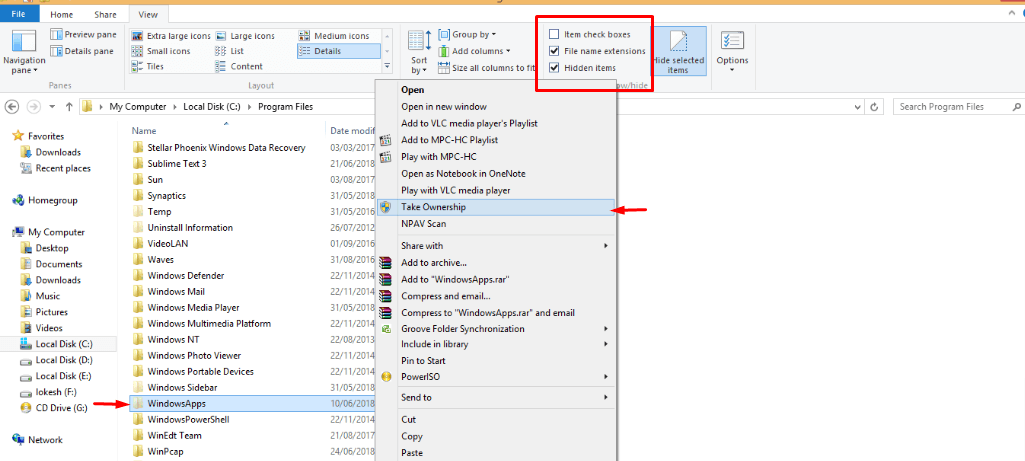
WindowsApps folder remains hidden for all users of Windows 10 systems. However, if you want to access the WindowsApps folder, here are the steps you need to follow.
So you've signed up for HBO Go and wondering how to activate HBO Go using hbogo.com/activate link? Read this guide.
In this article we'll explain how to activate Showtime Anytime on Roku using the activation link showtime anytime.com/activate.
In this post, we’ll guide you on how to activate Showtime Anytime on Xbox, Apple TV, and Android TV using the showtime anytime.com/activate link.
If you want to enjoy your favorite Starz shows on Roku or Apple TV, you need to first activate Starz on your smart TV.
You might need to activate Youtube online on using the YouTube.com/activate link online to enjoy YouTube on your smart TV.
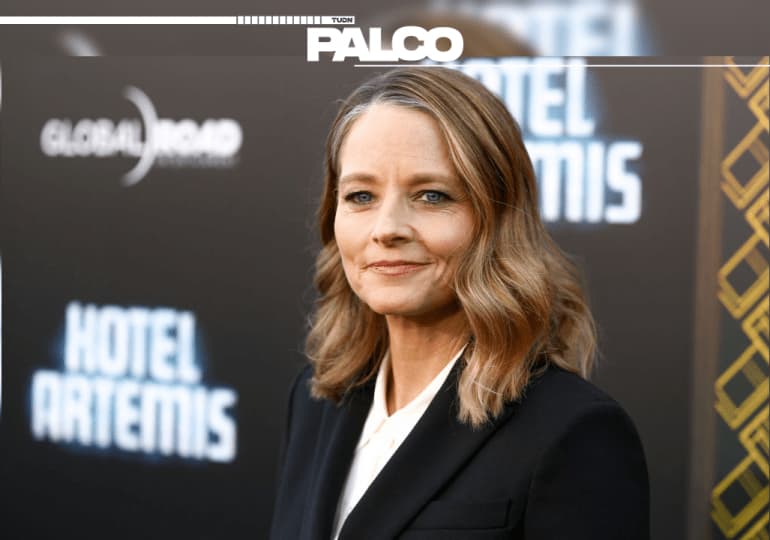
American actress Jodie Foster is filming the movie “Nyad” in Santo Domingo, which is a biographical film about the long-distance swimmer Diana Nyad, which will come to Netflix from directors Elizabeth Chai Vasarhelyi and Jimmy Chin
Ads on the websites can be very annoying. If you're looking for an ad-free web browsing experience, you can use Adblock or Adblock Plus. But which is better? Let's see.
Adding bots to Discord server can bring more fun in playing multi-player video games. That’s why the gamer in you is searching for a way to add these pre-programmed and autonomous users.
In this post, we will be discussing how to add a printer on your Mac with either manual installation process or auto-installation.
There’s a Startup folder in Windows 10 that lets you run any app or file when your computer starts. So, if you don’t know where this folder is, or how to add programs into it – we’ve sorted it out below.
Why is the federal government so obsessed with grabbing more land? After all, the federal government already owns more than 40 percent of the land in 9 different U.S. states.
Find a complete guide on what is Akamai Netsession client? Is Akamai Netsession harmful? how to remove Akamai Netsession safely?
Less than 24 hours after it was known that she was hospitalized after having experienced a picture of partial paralysis of the face and loss of vision in her right eye, Alejandra Espinoza breaks the silence from the hospital: “I feel blessed to have so many people praying for me”.
NTUSER.DAT is an important Windows system file that stores information about the user profiles. If you're wondering what's the NTUSER.DAT file on your computer, read this article.
On December 22, 2021, America Guinart, the former wife of renowned Mexican singer Alejandro Fernández, marked her 50th birthday with a heartfelt and intimate celebration surrounded by her loved ones. In a nostalgic and symbolic gesture, Guinart chose to wear her quinceañera dress—a gown traditionall
In cultures all over the world, there are ancient stories about beautiful, prosperous cities that became submerged in the ocean and were never seen again. The most famous of these is the story of Atlantis, but there are many others. So could it be possible that some of these cities actually exist?
This guide details some easy ways to fix application has been blocked from accessing graphics hardware error in Windows 10.
Your PC autometically shuts down when there's an overload on the CPU. This may lead to data loss, which can be extremely annoying. Let's see how to set the auto shutdown in your Windows 10 PC.
The autorun.inf virus corrupts autorun files that are used play/launch programs stored on the removable devices. To remove Autorun&Autorun.inf one needs to use follow certain tips that are mentioned and explain ahead in this article.
It's really annoying when Avast starts blocking websites and internet access, even if the website you want to access is safe. Here are easy fixes you can try to stop Avast from blocking your Internet and websites.
Avast CPU Usage High: How to Fix? Avast CPU Usage High is caused by incorrectly configured system settings or irregular entries in Windows registry. Avast CPU Usage High: What Does it Mean, What Causes Avast CPU Usage High, How to fix high CPU Usage,How To Fix System ntoskrnl.exe Process High CPU/RAM uses in Windows 10
Your search for the best antivirus of 2026 is over. We’ve narrowed it down to two of the most lethal software that can protect your PC by all means.let’s find out which is the best antivirus of the two. Is it Avast or Bitdefender?
The only solution to fix Avast’s upgrade issues and avoid any conflicts or clashes between these programs is disabling the protection module from either one of them. This fix, however, comes with risks.
As the Russian invasion of Ukraine progressed, a far-right Ukrainian military regiment slowly made global headlines again.
Having perfect teeth is the dream of many people, so the artists spare no expense to have it, that has been the case of a Reggaeton singer. Yes, Bad Bunny regrets getting dental veneers.
A Blue Screen of Death (BSoD) is always a pain in the neck for Windows 10 users. And, it becomes more problematic when your Windows 10 computer faces the BAD_SYSTEM_CONFIG_INFO BSoD error.Here’s a complete fix for BSoD error – BAD_SYSTEM_CONFIG_INFO – on Windows 10
This post discusses the various methods to fix your missing battery icon in Windows 10.
Laptop users often experience laptop battery charging issues. Here are five fixes to try when laptop battery is plugged in but not charging.
The death of Becky G’s sister-in-law is announced
In this post, we’ve handpicked 10 best adware removing tools for your Windows PC with its features and links to download.
If you're tired of playing your favorite game on the small mobile screen, you can download these best android emulators and start enjoying your mobile games on the computer.
Not sure which browser is best for your needs? If you're a Windows user, here are the top five web browsers you can try in 2026.
Are you looking for a best driver updater software for your Windows 10 PC? In this article, we will discuss some of the best driver updater software for Windows in 2026.
In this post, we have discussed 12 best animation software with features. We’ve handpicked some of the best free animation software in 2D and 3D for your Windows 10/8/7 PC.
Keep your PC safe & protected with the best firewalls in 2026. Learn how to make business & home networks secure, monitor connections, and more.
CasinoZone.club has reviewed online casinos since 2014. Now the team is developing Take10.net, a plugin that raises an unusual question for a review publisher: what happens when the most useful thing you can do for readers is help them block the sites you cover?
Tech jobs considered safe from AI automation and how AI specialists, project managers, and designers will evolve alongside AI advancements.
Almost every time I try to update my Windows 10 operating system, I face an error. Like me, other Windows 10 users also keep facing multiple errors while updating their computer.Here’s a complete guide to fix Windows 10 Update error code 0x8024a105 in 2026 – ten different ways
For Windows users, access to Control Panel is a basic necessity. The app is your only medium to change or view system settings. Here's how to easily find and access control panel in Windows 10/8.1/8/7.
WindowsApps folder remains hidden for all users of Windows 10 systems. However, if you want to access the WindowsApps folder, here are the steps you need to follow.
Adding bots to Discord server can bring more fun in playing multi-player video games. That’s why the gamer in you is searching for a way to add these pre-programmed and autonomous users.
There’s a Startup folder in Windows 10 that lets you run any app or file when your computer starts. So, if you don’t know where this folder is, or how to add programs into it – we’ve sorted it out below.
NTUSER.DAT is an important Windows system file that stores information about the user profiles. If you're wondering what's the NTUSER.DAT file on your computer, read this article.
This guide details some easy ways to fix application has been blocked from accessing graphics hardware error in Windows 10.
Your PC autometically shuts down when there's an overload on the CPU. This may lead to data loss, which can be extremely annoying. Let's see how to set the auto shutdown in your Windows 10 PC.
Avast CPU Usage High: How to Fix? Avast CPU Usage High is caused by incorrectly configured system settings or irregular entries in Windows registry. Avast CPU Usage High: What Does it Mean, What Causes Avast CPU Usage High, How to fix high CPU Usage,How To Fix System ntoskrnl.exe Process High CPU/RAM uses in Windows 10
A Blue Screen of Death (BSoD) is always a pain in the neck for Windows 10 users. And, it becomes more problematic when your Windows 10 computer faces the BAD_SYSTEM_CONFIG_INFO BSoD error.Here’s a complete fix for BSoD error – BAD_SYSTEM_CONFIG_INFO – on Windows 10
This post discusses the various methods to fix your missing battery icon in Windows 10.
Laptop users often experience laptop battery charging issues. Here are five fixes to try when laptop battery is plugged in but not charging.
Are you looking for a best driver updater software for your Windows 10 PC? In this article, we will discuss some of the best driver updater software for Windows in 2026.
In this article, you’ll find top 12 best alternatives to 10 minute mail for 2026 (best disposable email address).
So I bummed this book from a neighbor who is a fellow homeschooler. It’s a book on classic English rhetoric. Or verbal style. She originally pulled it off her shelf to show me because of the name of the author: Ward Farnsworth
The new Hollywood blockbuster "Noah" has created a tremendous amount of interest in the story of Noah's Ark. Traditionally, most people have regarded it as just a cute Bible story to tell children. But could it be real? Is there solid evidence that Noah's Ark actually existed?
The theory of evolution is false. It is simply not true. Actually, it is just a fairy tale for adults based on ancient pagan religious philosophy that hundreds of millions of people around the world choose to believe with blind faith. When asked to produce evidence for the theory of evolution, most adults in the
Why is the federal government so obsessed with grabbing more land? After all, the federal government already owns more than 40 percent of the land in 9 different U.S. states.
In cultures all over the world, there are ancient stories about beautiful, prosperous cities that became submerged in the ocean and were never seen again. The most famous of these is the story of Atlantis, but there are many others. So could it be possible that some of these cities actually exist?
Are you setting up a router for your home or workplace for the first time? Wondering what 192.168.1.1 IP address is about? Read this guide.
Not sure which browser is best for your needs? If you're a Windows user, here are the top five web browsers you can try in 2026.
Troy Koehler, 7, was found dead in a washing machine
Sulfur dioxide is a colorless chemical, but it can affect the eyes and respiratory tract after prolonged exposures – Photo: Copernicus Satellite / Courtesy.
Moments of tension and consternation were experienced in Meridaafter a man he died of a heart attack in the middle of a football match in the east of the city..
A town often becomes a ghost town because the economic activity that supported it, such as mining or agriculture, failed..
American actress Jodie Foster is filming the movie “Nyad” in Santo Domingo, which is a biographical film about the long-distance swimmer Diana Nyad, which will come to Netflix from directors Elizabeth Chai Vasarhelyi and Jimmy Chin
Less than 24 hours after it was known that she was hospitalized after having experienced a picture of partial paralysis of the face and loss of vision in her right eye, Alejandra Espinoza breaks the silence from the hospital: “I feel blessed to have so many people praying for me”.
On December 22, 2021, America Guinart, the former wife of renowned Mexican singer Alejandro Fernández, marked her 50th birthday with a heartfelt and intimate celebration surrounded by her loved ones. In a nostalgic and symbolic gesture, Guinart chose to wear her quinceañera dress—a gown traditionall
As the Russian invasion of Ukraine progressed, a far-right Ukrainian military regiment slowly made global headlines again.
Having perfect teeth is the dream of many people, so the artists spare no expense to have it, that has been the case of a Reggaeton singer. Yes, Bad Bunny regrets getting dental veneers.
The death of Becky G’s sister-in-law is announced
Facebook doesn’t allow you to access full website version on your mobile and redirects you to the mobile version.In this article, we have some simple methods which work fine to force your web browser to open the Facebook Full site on mobile.
So you've signed up for HBO Go and wondering how to activate HBO Go using hbogo.com/activate link? Read this guide.
In this article we'll explain how to activate Showtime Anytime on Roku using the activation link showtime anytime.com/activate.
If you want to enjoy your favorite Starz shows on Roku or Apple TV, you need to first activate Starz on your smart TV.
You might need to activate Youtube online on using the YouTube.com/activate link online to enjoy YouTube on your smart TV.
In this post, we’ll guide you on how to activate Showtime Anytime on Xbox, Apple TV, and Android TV using the showtime anytime.com/activate link.
Ads on the websites can be very annoying. If you're looking for an ad-free web browsing experience, you can use Adblock or Adblock Plus. But which is better? Let's see.
In this post, we will be discussing how to add a printer on your Mac with either manual installation process or auto-installation.
Find a complete guide on what is Akamai Netsession client? Is Akamai Netsession harmful? how to remove Akamai Netsession safely?
The autorun.inf virus corrupts autorun files that are used play/launch programs stored on the removable devices. To remove Autorun&Autorun.inf one needs to use follow certain tips that are mentioned and explain ahead in this article.
It's really annoying when Avast starts blocking websites and internet access, even if the website you want to access is safe. Here are easy fixes you can try to stop Avast from blocking your Internet and websites.
Your search for the best antivirus of 2026 is over. We’ve narrowed it down to two of the most lethal software that can protect your PC by all means.let’s find out which is the best antivirus of the two. Is it Avast or Bitdefender?
The only solution to fix Avast’s upgrade issues and avoid any conflicts or clashes between these programs is disabling the protection module from either one of them. This fix, however, comes with risks.
In this post, we’ve handpicked 10 best adware removing tools for your Windows PC with its features and links to download.
If you're tired of playing your favorite game on the small mobile screen, you can download these best android emulators and start enjoying your mobile games on the computer.
In this post, we have discussed 12 best animation software with features. We’ve handpicked some of the best free animation software in 2D and 3D for your Windows 10/8/7 PC.
Keep your PC safe & protected with the best firewalls in 2026. Learn how to make business & home networks secure, monitor connections, and more.
*Disclaimer: Any or all product name(s) and company logo(s) used on the website are registered and trademarked by their respective owners.